Baby Ghosts and Toddling Terrors
Well, after weeks of planning, scouring the martha stewart web site, baking, decorating, pumpkin carving and hotglue-gunning, we did it.
Our first annual Baby Ghosts and Toddling Terrors Hallowe’en Party/Photo Op was this afternoon, and I think it was monster success.
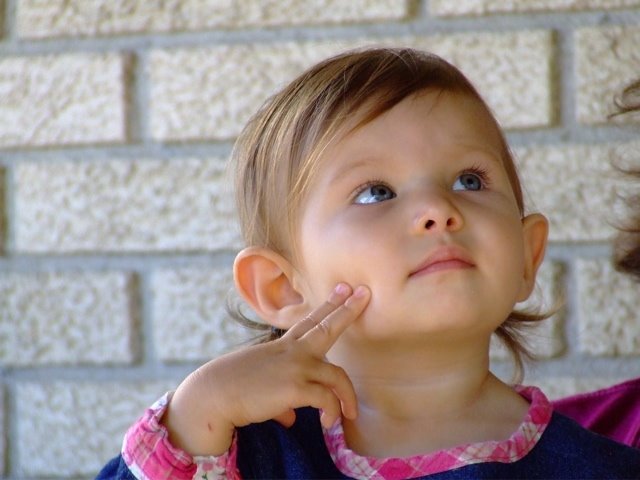
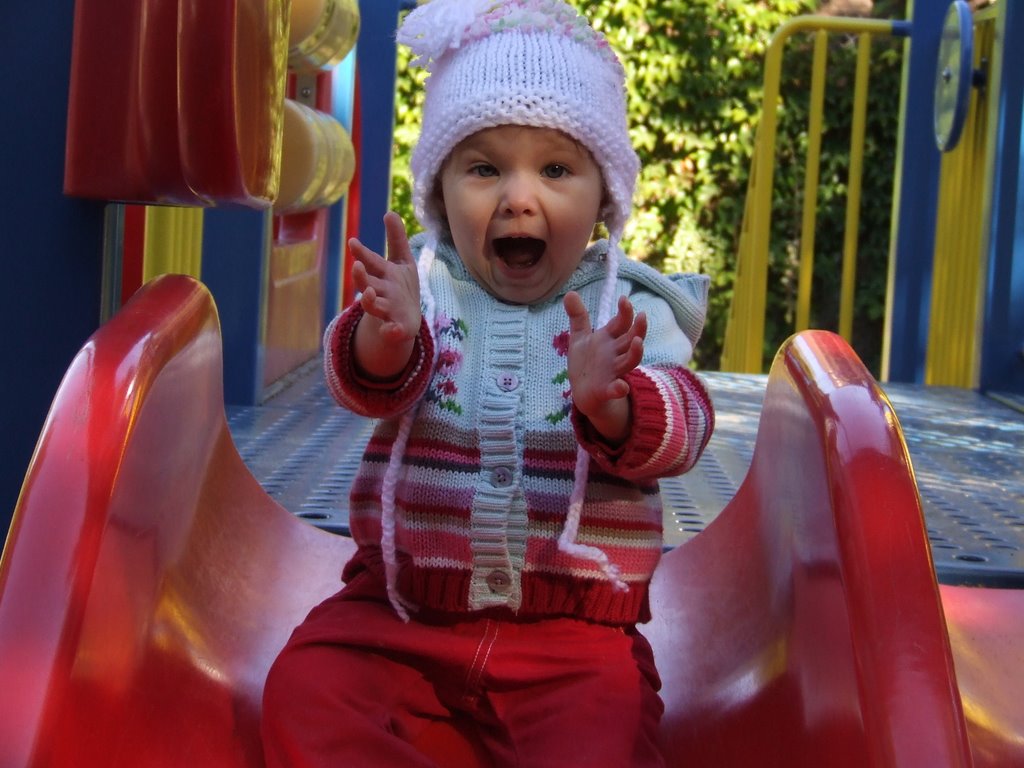
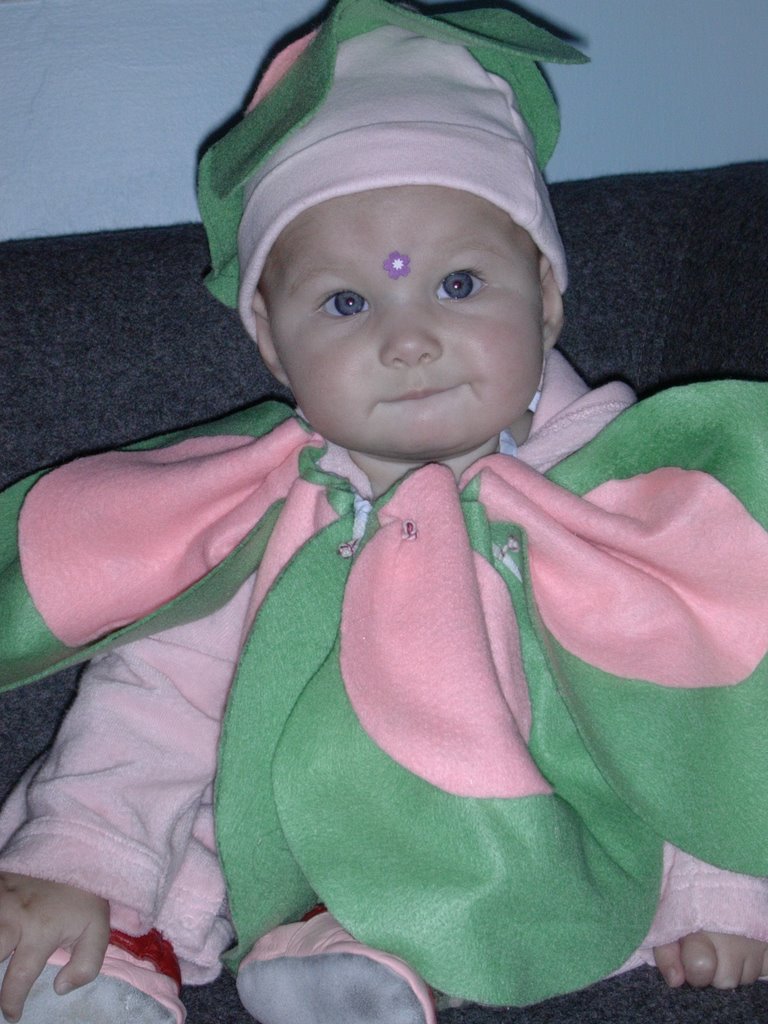
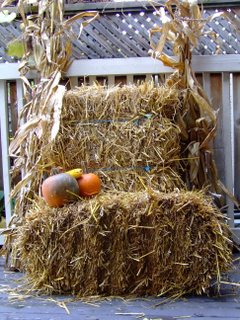
My little lamb enjoyed the company of a dragon, two bumblebees, a snowman, a tomato, a lion, and a cow . As the babes arrived, we ushered them straight to the set, where photoshoots took place while costumes were still fresh and intact, and well, on.
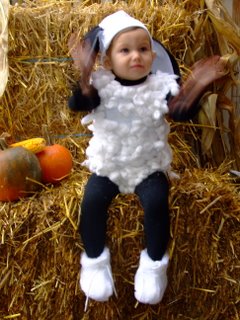
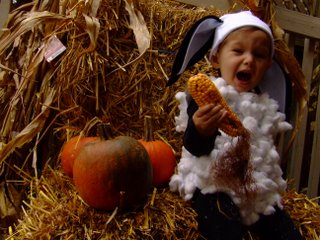
From there we enjoyed the company of friends, a little bit of baby turf war refereeing (cakes pretty much won every round) and a buffet full of baby-friendly goodies (ok, maybe not the fudge. But it was definitely mama-friendly.) and apple cider spiked with brandy, because you definitely need the spiked-with-brandy part when there are 8 toddlers running around your very small house.
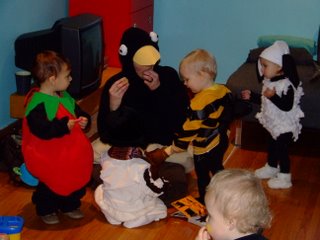
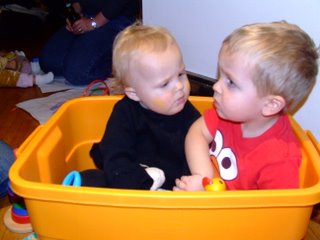
I think everybody had a great time. The babes were all so cute I could hardly stand it. Bee had been cranky all morning and didn’t nap well (of course), so she was a bit clingy, but even when she’s clingy, she’s pretty darn cute. And she was a very good sport about her costume, which I appreciated, since it took two nights to hot glue 200 cottonballs to a onesie. As the afternoon progressed, she shed more and more cottonballs, and the ones that didn’t fall off hung in dreads from her tush, so she actually looked quite authentic.
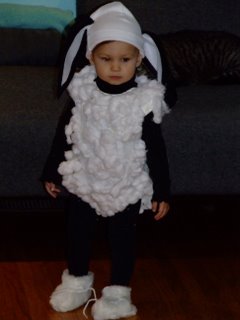
But by the end of the day, the thing was such a mess that we seriously just cut it off of her. Good thing I have a back-up for Tuesday. She’ll be giving out treats in her little pink jaguar costume (no, I did not make that one).
Anyway, we’re hoping that all the excitement will have the babes sleeping late tomorrow. And once I’m rested, I’m going to start planning our Baby Christmukkah Bash. Anybody have a good recipe for latkes?
Our first annual Baby Ghosts and Toddling Terrors Hallowe’en Party/Photo Op was this afternoon, and I think it was monster success.
My little lamb enjoyed the company of a dragon, two bumblebees, a snowman, a tomato, a lion, and a cow . As the babes arrived, we ushered them straight to the set, where photoshoots took place while costumes were still fresh and intact, and well, on.


From there we enjoyed the company of friends, a little bit of baby turf war refereeing (cakes pretty much won every round) and a buffet full of baby-friendly goodies (ok, maybe not the fudge. But it was definitely mama-friendly.) and apple cider spiked with brandy, because you definitely need the spiked-with-brandy part when there are 8 toddlers running around your very small house.


I think everybody had a great time. The babes were all so cute I could hardly stand it. Bee had been cranky all morning and didn’t nap well (of course), so she was a bit clingy, but even when she’s clingy, she’s pretty darn cute. And she was a very good sport about her costume, which I appreciated, since it took two nights to hot glue 200 cottonballs to a onesie. As the afternoon progressed, she shed more and more cottonballs, and the ones that didn’t fall off hung in dreads from her tush, so she actually looked quite authentic.
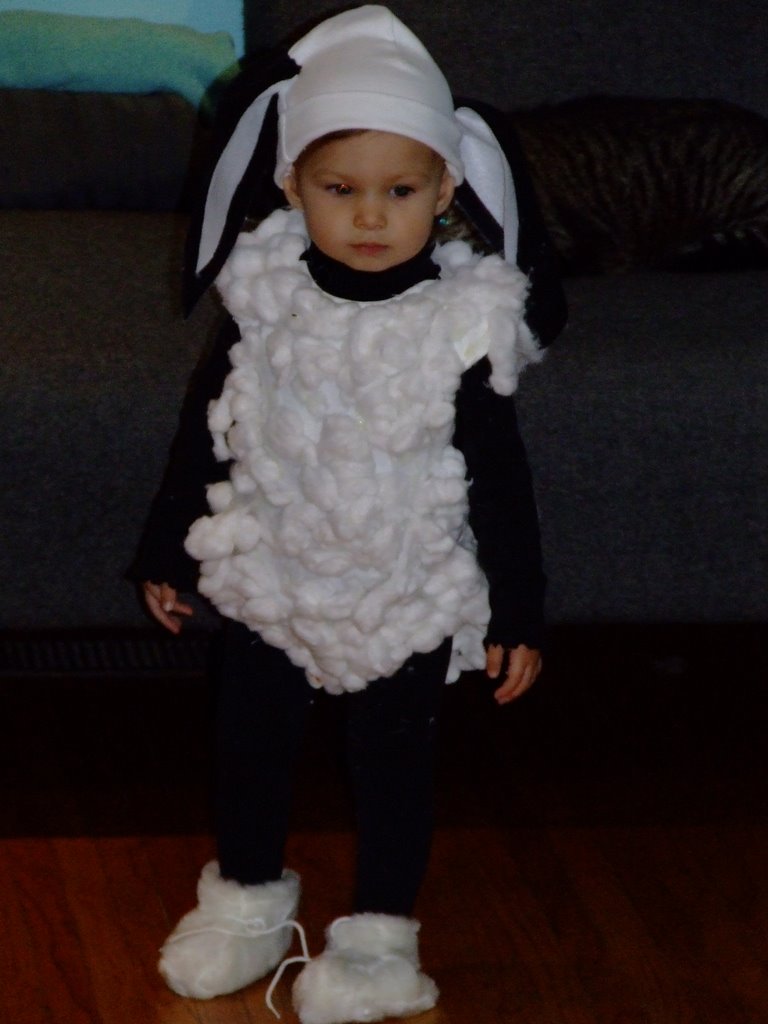
But by the end of the day, the thing was such a mess that we seriously just cut it off of her. Good thing I have a back-up for Tuesday. She’ll be giving out treats in her little pink jaguar costume (no, I did not make that one).
Anyway, we’re hoping that all the excitement will have the babes sleeping late tomorrow. And once I’m rested, I’m going to start planning our Baby Christmukkah Bash. Anybody have a good recipe for latkes?
posted by karengreeners @ 11:12 PM
18 comments